
There's a moment every artist knows.
You put everything into something -- a song, a lyric, a performance. You release it into the world and just hope for the best. Then weeks or months later, a complete stranger reaches out, overflowing with emotion, doing their best to explain how much it means to them.
It's not an exaggeration. You changed their life.
Most artists want more of that. Not more streams, not more followers -- more of that. The feeling that what you made actually mattered to someone.
If you've ever searched how to build a fanbase hoping to create more of those moments, you've probably found a lot of the same advice: post more, promote harder, run ads.
That advice isn't wrong. It's just incomplete.
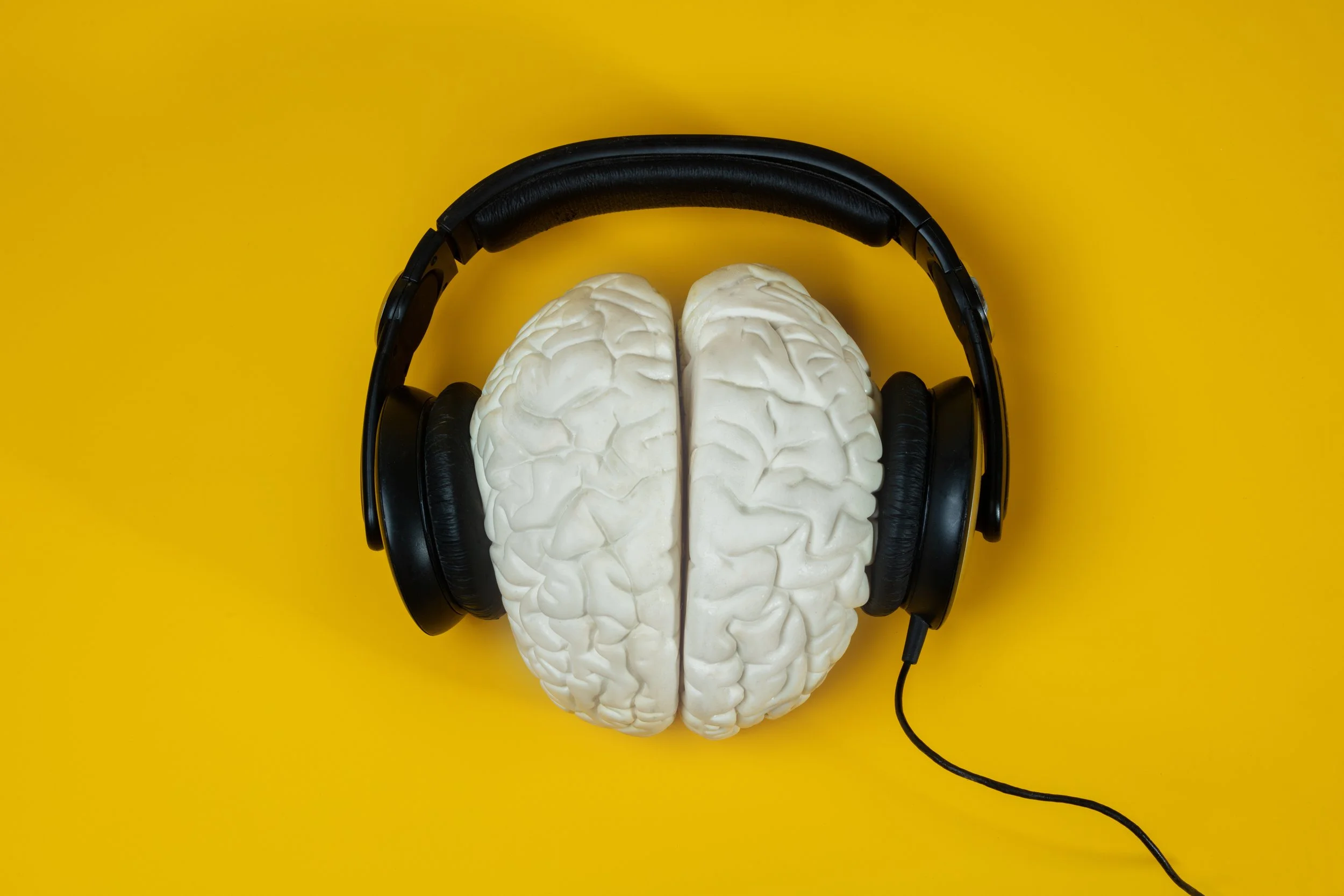
Because what's actually happening in that moment when a stranger tells you that you changed their life? That's not a marketing outcome. That's a neurological one.
Understanding the psychology and neuroscience behind why music connects will change how you approach your work. Not in a calculated, manipulative way -- in a way that empowers you to just be you. Because the science keeps pointing to the same counterintuitive truth:
The more personal your work is, the more universally it connects.
Most Advice on How to Build a Fanbase Gets One Thing Wrong
The standard music promotion strategy conversation focuses almost entirely on reach. Get in front of more people. Hit more playlists. Run more ads. Grow the numbers.
And look…reach matters. You can't build fans when no one knows about you.
But reach alone doesn't create fanbases. It creates impressions. And impressions are not the same thing as attachment.
The artists who struggle most aren't usually invisible. They're visible but not connecting. Streams aren't converting to email subscribers. Followers aren't buying tickets. People listen once and move on.
That's not a reach problem. That's a relationship problem.
The piece most music promotion strategy advice skips is the psychological one: how does a casual listener become someone who cares? What actually creates the kind of fan who shows up, spends money, and tells everyone they know?
That's what the neuroscience answers. And it's more useful (and reliable) than any algorithm strategy.
What Actually Turns Casual Listeners Into Real Fans
If you want to build fans -- not just accumulate streams -- you have to understand what's happening in the listener's brain.
In 1956, two researchers named Horton and Wohl were studying something that seemed strange: television viewers were forming what appeared to be genuine friendships with people on screen. They grieved when characters died. They felt betrayed by plot twists. They talked about these "relationships" as if they were real.
This wasn't delusion. It was a fundamental feature of how our brains process repeated exposure to a personality. Researchers now call these parasocial relationships.
Here's the basic mechanism: our brains evolved to form bonds through repeated interaction. When our ancestors saw the same faces regularly, heard the same voices, and witnessed someone's emotional states over time, their brain registered that person as part of their social world.
The interesting problem is that our brains never developed a strong filter for the screen. When someone listens to your music repeatedly (and has an emotional response to it) their brain starts processing you as a known, trusted figure. The neural pathways that activate are remarkably similar to those involved in actual friendship.
That’s not the only powerful thing about parasocial relationships artists can leverage if they understand them though…
Another 2014 study found that parasocial relationships predict consumer behavior -- buying concert tickets, purchasing merchandise -- more reliably than any traditional marketing metric.
Why? Because you're not functioning as a "brand" in their brain. You're functioning as a person they feel they know and trust.
This is how to get fans who actually stay: not by being everywhere, but by creating the conditions for genuine psychological connection.
The Psychology Behind Every Powerful Fan Community
The strongest fan community isn't built on giveaways or Discord servers. It's built on repeated emotional resonance.
Here's what's happening neurologically when your music connects:
Reward systems fire. Music activates the nucleus accumbens -- the same reward center that responds to food and dopamine triggers. When listening to music gives you chills, dopamine is being released at measurable levels. Music literally creates a neurochemical reward response.
Mirror neurons activate. When you sing about heartbreak, anger, joy, or longing with genuine emotion, your listener's mirror neuron system fires. These neurons simulate the emotional state you're expressing. This isn't just understanding your emotion -- their brain is partially experiencing it with you.
Memory consolidates around it. Music combined with emotion creates significantly stronger memories than either element alone.The amygdala and hippocampus work together during musical experiences to form what researchers call "flashbulb memories"-- vivid, emotionally charged memories that persist. This is why someone can remember exactly where they were the first time they heard a song that mattered to them.
Identity integrates.Personally meaningful music activates the medial prefrontal cortex -- the region associated with maintaining your sense of self. When you, as an artist expresses something that resonates, the fan doesn't just like you. They use the way you articulate your feelings to understand themselves better. You become a tool for self-discovery.
This is why music discovered during emotional pivots -- breakups, grief, identity crises, moments of triumph -- creates such powerful lifelong attachments. The music didn't just soundtrack that moment. It provided a framework for understanding it.
And this is why the strongest fanbases aren't built on production value or marketing budget. They're built on consistent, genuine emotional expression -- the kind that gives the brain something real to bond to.
How Parasocial Relationships Help You Build a Fanbase Organically
So what do you actually do with this?
If you want to know how to build a fanbase that lasts, your music promotion strategy needs to prioritize a consistent emotional experience over algorithm hacks. That means being intentional about four things:
1. Repeated exposure with emotional context. It's not just about getting your music in front of people. It's about sharing it in a way that is actually memorable.. Tell a short story about what inspired it in the caption, or put a hook at the beginning of your video that helps the listener see themselves in the song. Give people reasons to come back, and give those returns emotional weight.

2. Emotional specificity. Generic doesn't connect. Specificity does. "I was heartbroken" doesn't activate mirror neurons the way "I drove past your street for three months before I could stop myself" does. The details are what make something feel real enough to matter. Resist the pressure to sand down your edges to reach a broader audience. The specificity is exactly what creates the resonance.
3. A consistent narrative. Fans aren't just connecting to a song. They're connecting to you -- to a story that unfolds over time. Share the process. Talk about where you've been and where you're going. Let people feel like they're part of something that has a beginning, a middle, and a direction. This is how casual listeners become invested ones.
4. Self-disclosure. Be specific enough about who you are that your fans can see who they are in relation to your work. You don’t need to overshare, just be open enough about your values, your worldview, and your stories that the right people feel recognized. When someone shares your music, they're using it to say something about themselves. The more clearly you express yourself, the more confidently they can do that.
None of this requires a big budget or a label deal. It requires consistency, self-awareness, and the willingness to be genuinely yourself in public.
Why Authentic Self-Expression Is the Fastest Way to Get Fans Who Stay
Here's the thing most marketing advice gets backwards: the pressure to be "relatable to everyone" is actually counterproductive.
If you want to know how to get fans who become true believers, the answer isn't to broaden your appeal. It's to deepen your authenticity.
When you express something specific -- a real perspective, a real feeling, a real story -- individual listeners find themselves in it. Not because you made it easy, but because you made it real. Generic doesn't help anyone understand themselves. Honest specificity does.
This is also why the fans who find you this way are so much more likely to stick around. They didn't connect to a persona. They connected to something that felt true. And that connection is harder to break than any algorithmically optimized impression.
When you're debating whether an idea is too honest, too vulnerable, or too weird -- that's usually the signal you're onto something worth saying. The artists who build fans that last aren't the ones chasing a wider net. They're the ones willing to build fans by going deeper.
The goal isn't to be everything to everyone. It's to be exactly what the right people have been looking for.
The Bottom Line
Fan growth isn't primarily a marketing problem. It's a psychological one.
The connection your music creates isn't mystical or random. It's mirror neurons firing, dopamine releasing, memories consolidating, and identity integrating. All doing exactly what human neurology evolved to do: connect people through shared emotional experience.
Parasocial relationships aren't a manipulation tactic. They're a natural outcome of genuine, repeated, emotionally resonant connection. The artists who understand how to build a fanbase aren't the ones chasing attention. They're the ones building psychological presence -- one honest song, story, and interaction at a time.
That's not a secret formula. It's just what actually works.
Want to think through how this applies to your specific artist career? That's exactly what we do at Venture Music. Explore how we work with artists: